
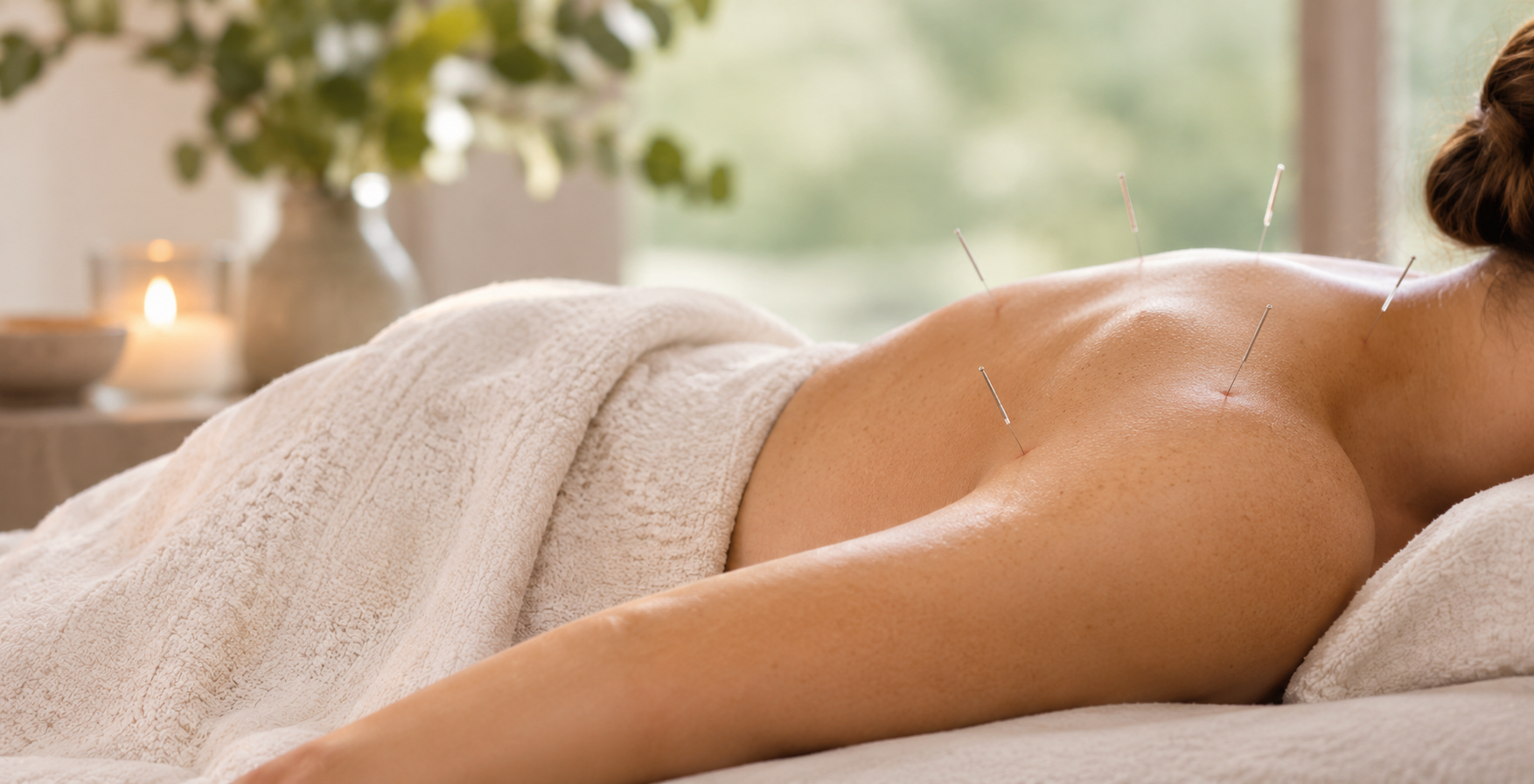
Acupuncture is a traditional form of therapy that has been practised in China for thousands of years. Rooted in Traditional Chinese Medicine (TCM), it takes a holistic approach to wellbeing, considering both the physical and emotional aspects of health.
Today, acupuncture is used around the world, often alongside conventional Western medicine, to help support health and wellbeing.
How Does Acupuncture Work?
In Traditional Chinese Medicine, it is believed that a vital energy, known as Qi (pronounced "chee"), flows through the body along pathways called meridians.
According to this traditional understanding, good health depends on the smooth and balanced flow of Qi. When this balance is disrupted, it is believed that discomfort or illness may arise.
Practitioners of Chinese Medicine traditionally describe these imbalances in three main ways:
- Stagnation: When Qi is thought to become blocked or restricted, sometimes associated with pain or muscle tension.
- Deficiency: When Qi is considered depleted, traditionally associated with tiredness, weakness or low energy.
- Excess: When Qi is thought to be overactive or out of balance, sometimes associated with symptoms such as headaches.
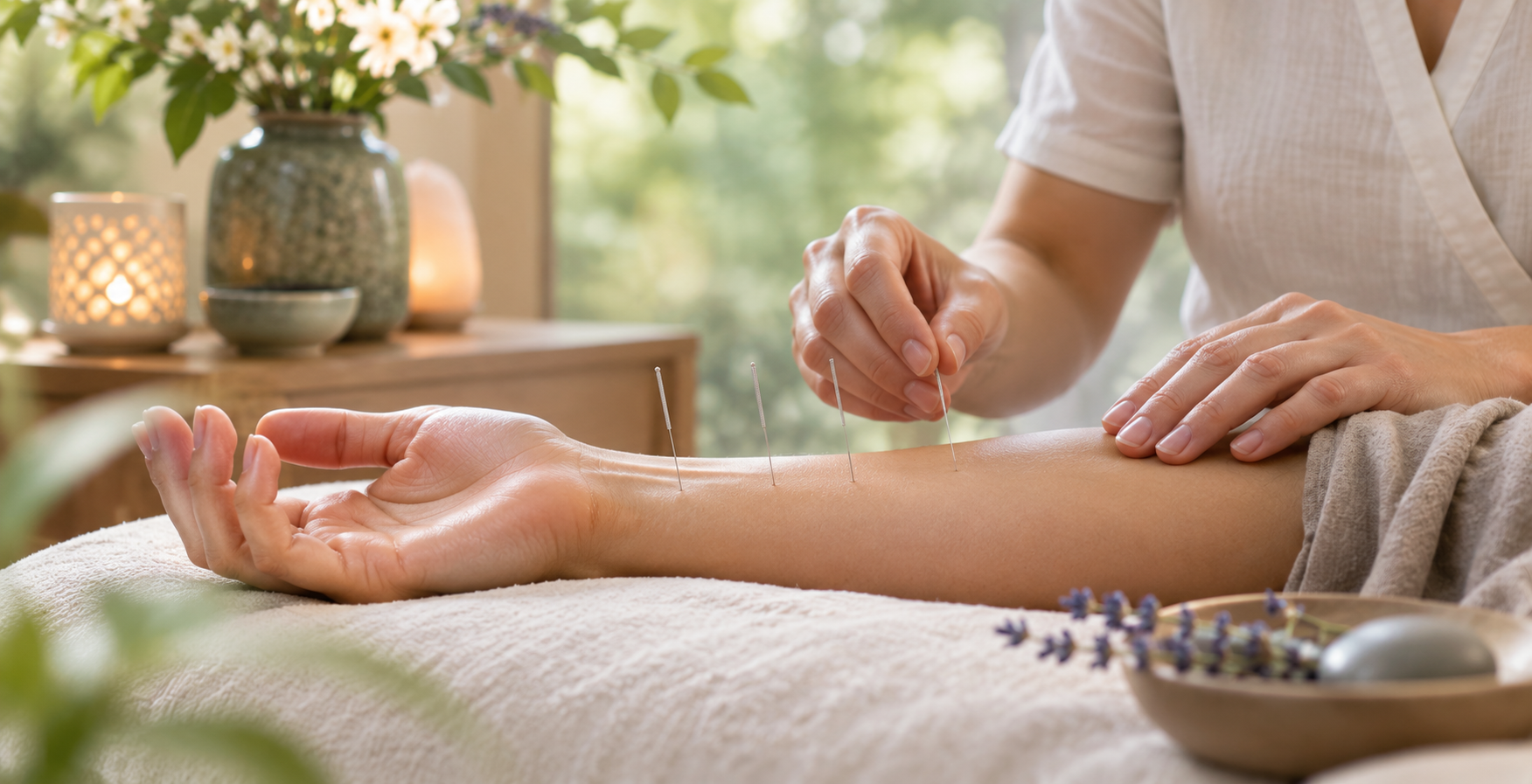
Acupuncture involves gently inserting very fine, sterile needles into specific points on the body. In traditional practice, this is intended to encourage balance and support wellbeing.
While Qi and meridians are important concepts in Chinese Medicine, they are not scientifically established physical structures. Modern research continues to explore how acupuncture affects the nervous system and the body's responses to pain.
Treating You as an Individual
One of the key principles of Traditional Chinese Medicine is that everyone is unique.
Two people experiencing similar symptoms may have very different needs. This is why I take the time to understand you as an individual, rather than simply focusing on a particular symptom.
Your physical health, lifestyle, emotional wellbeing and everyday stresses are all considered when planning your treatment.
We often notice how our emotions can affect our bodies. Stress may leave our muscles feeling tight, while worry or sadness can affect our energy levels and sleep. Recognising these connections is an important part of my approach.
Acupuncture and Modern Wellbeing
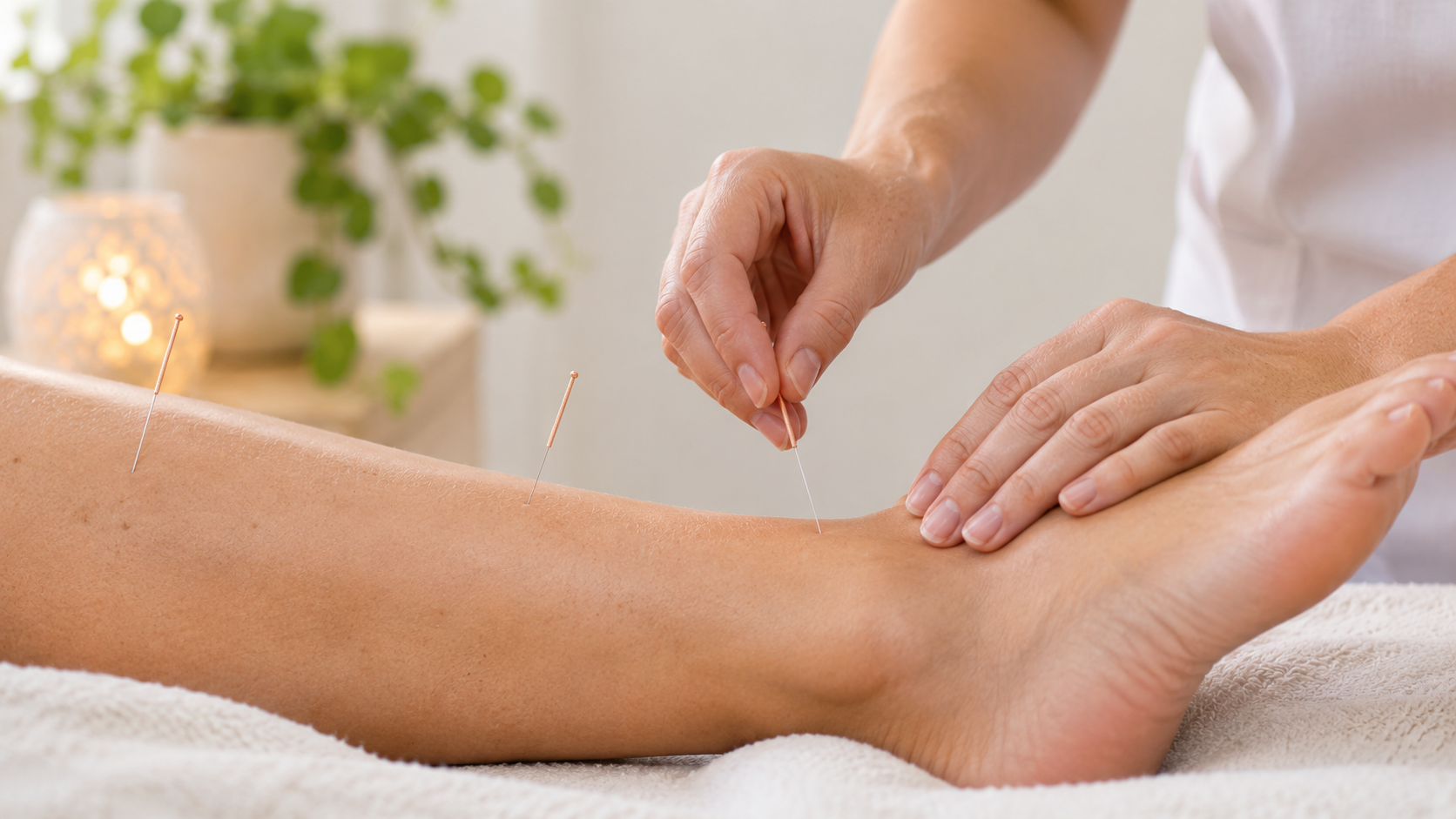
Although acupuncture has a long history, scientific research into its effectiveness is ongoing. Evidence suggests that it may help with certain conditions, particularly some types of pain, although the strength of evidence varies depending on the condition being treated.
Acupuncture can be used as a complementary therapy alongside conventional healthcare, rather than as a replacement for medical advice or treatment.
Your Wellbeing, Your Treatment
My aim is to provide a calm, supportive environment where you feel listened to and comfortable.
Whether you're exploring acupuncture for a particular concern or simply looking for a more holistic approach to wellbeing, I'm happy to discuss your individual needs and help you decide whether acupuncture may be suitable for you.